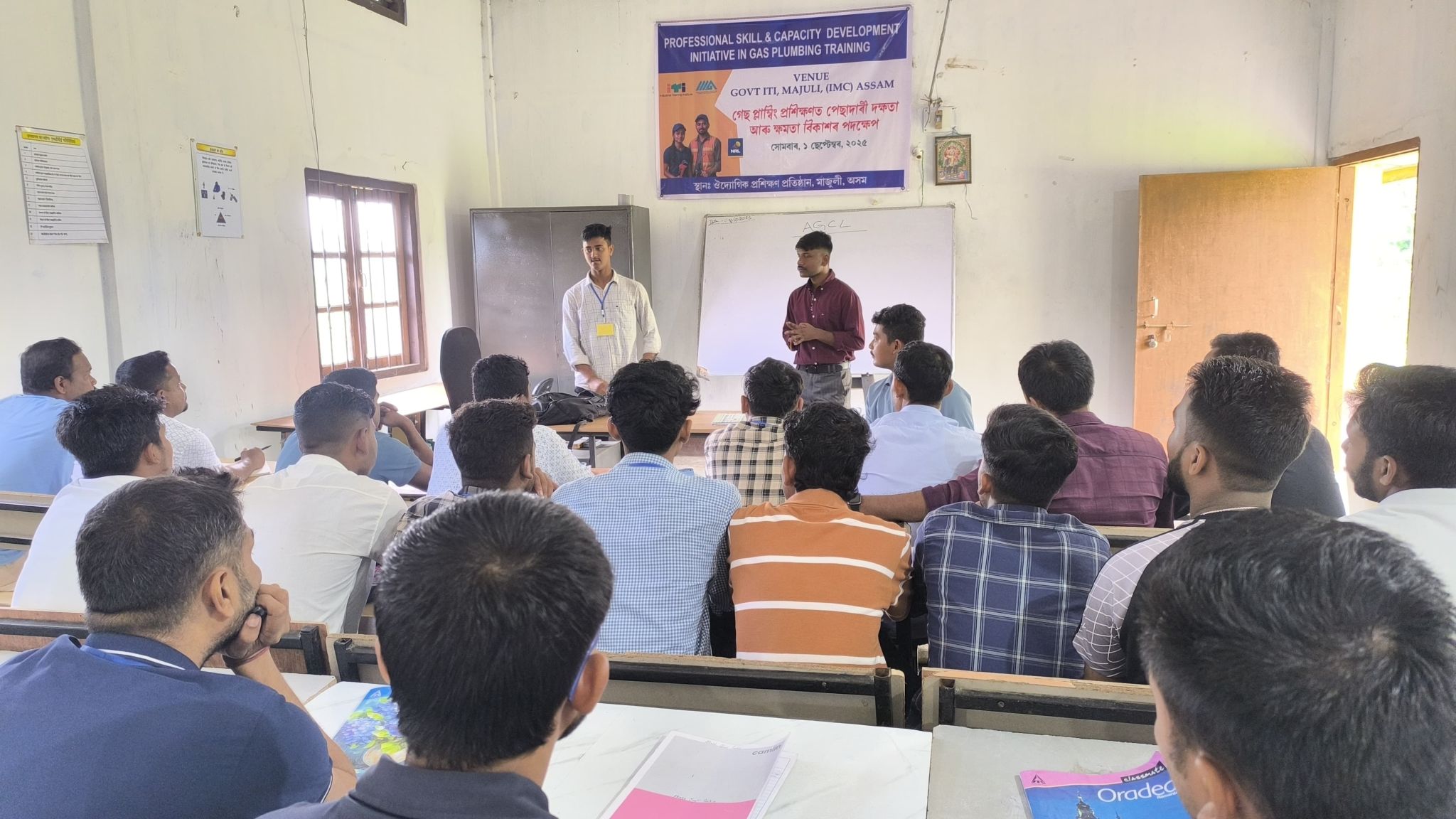
A skill development initiative in gas plumbing training spearheaded by MMGLD, funded by Numaligarh Refinery Limited, and conducted at Government Industrial Training Institute – Majuli, Assam.
India's energy landscape is shifting, with City Gas Distribution (CGD) and Piped Natural Gas (PNG) networks expanding rapidly. But the growth has outpaced the supply of skilled professionals - especially trained gas plumbers, who are essential to build and maintain these systems.
Assam, with its unique geography and climate challenges, faces a double bind. On the one hand, youth often lack access to specialized vocational training. On the other, livelihoods are increasingly threatened by floods and climate change impacts, which disrupt traditional income sources like agriculture.
Pipeline to Possibilities addresses both these issues. Based at the Government Industrial Training Institute in Majuli, but open to students from across Assam, the program equips trainees with the technical and safety skills needed in gas plumbing. By building pathways into a growing sector, it not only supports India's clean energy future but also helps young people secure sustainable livelihoods that are less vulnerable to climate shocks.
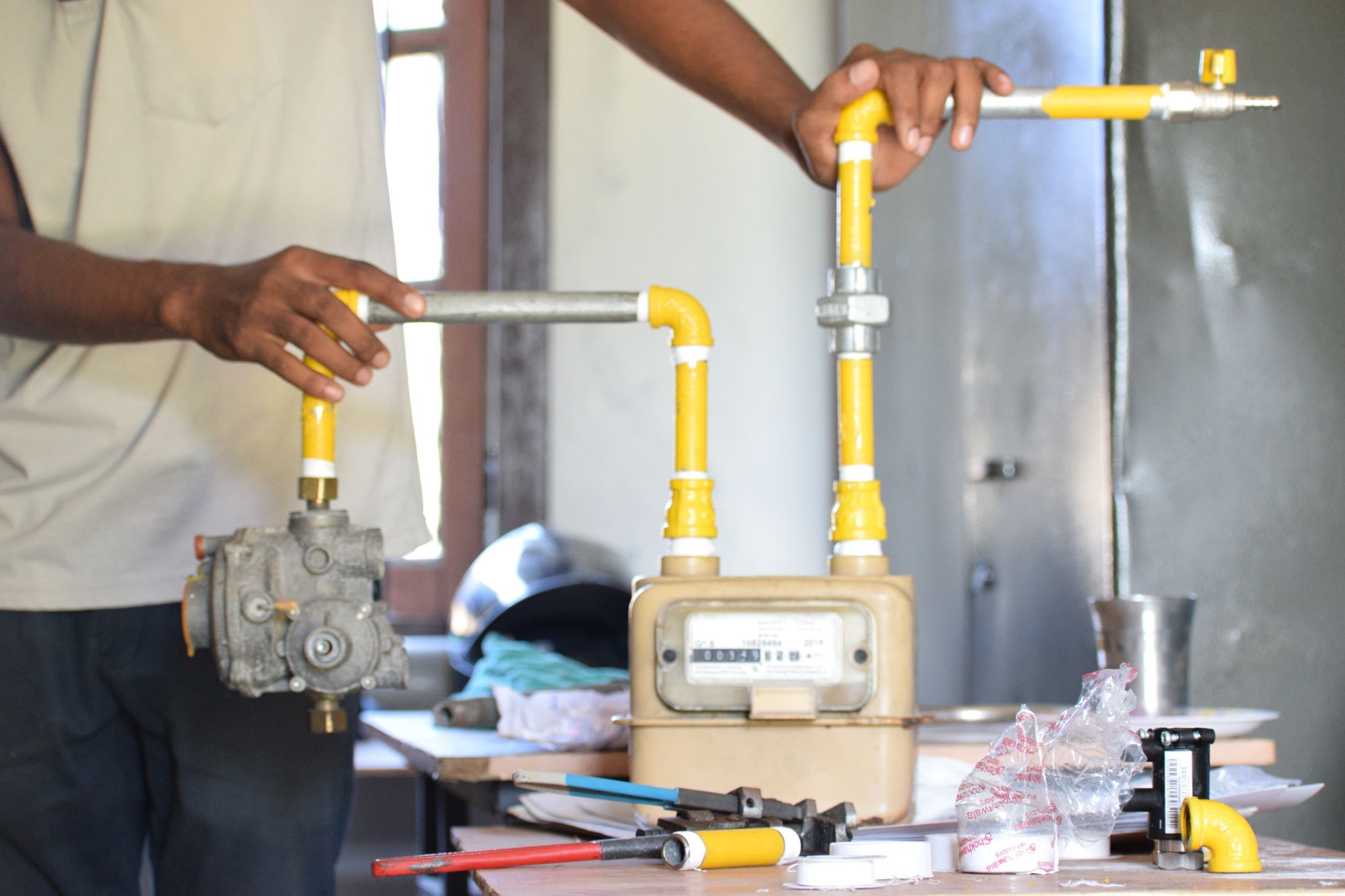
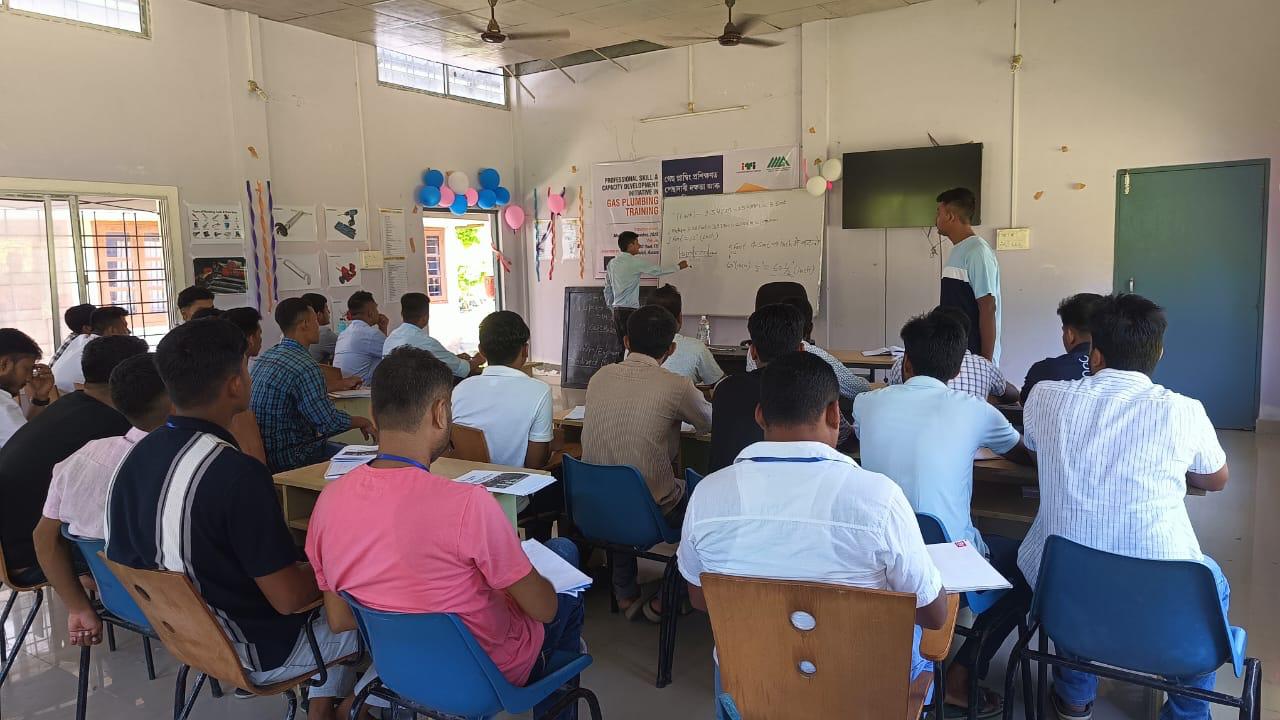
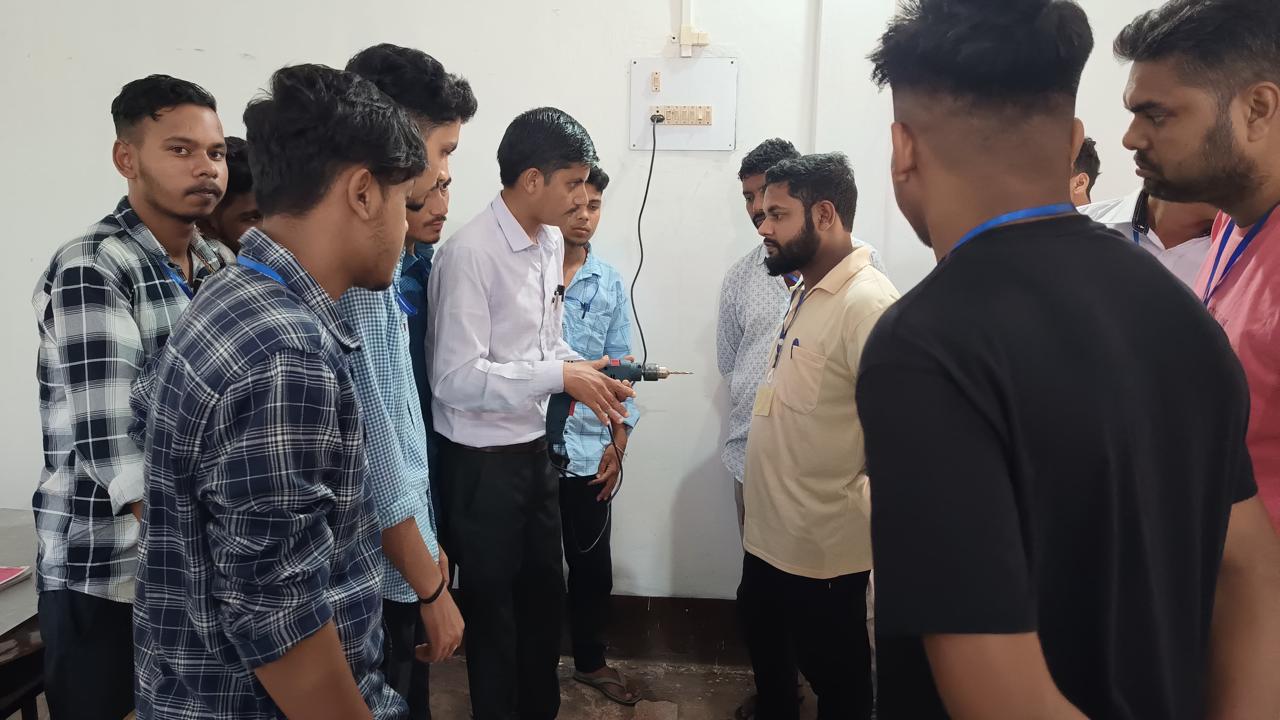
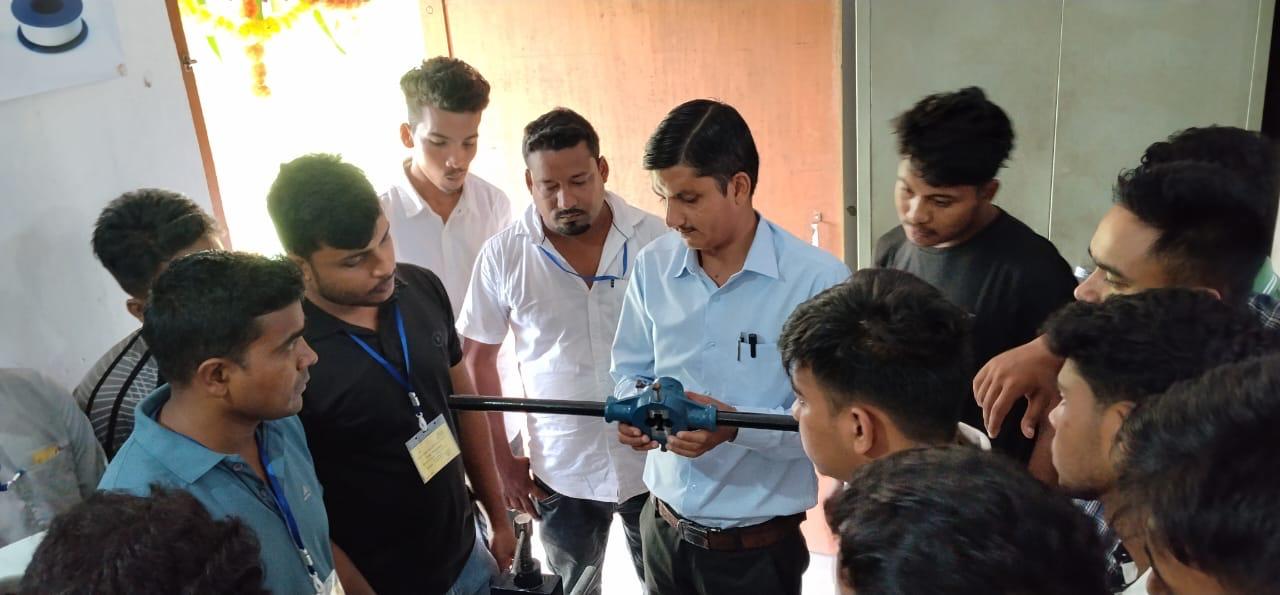
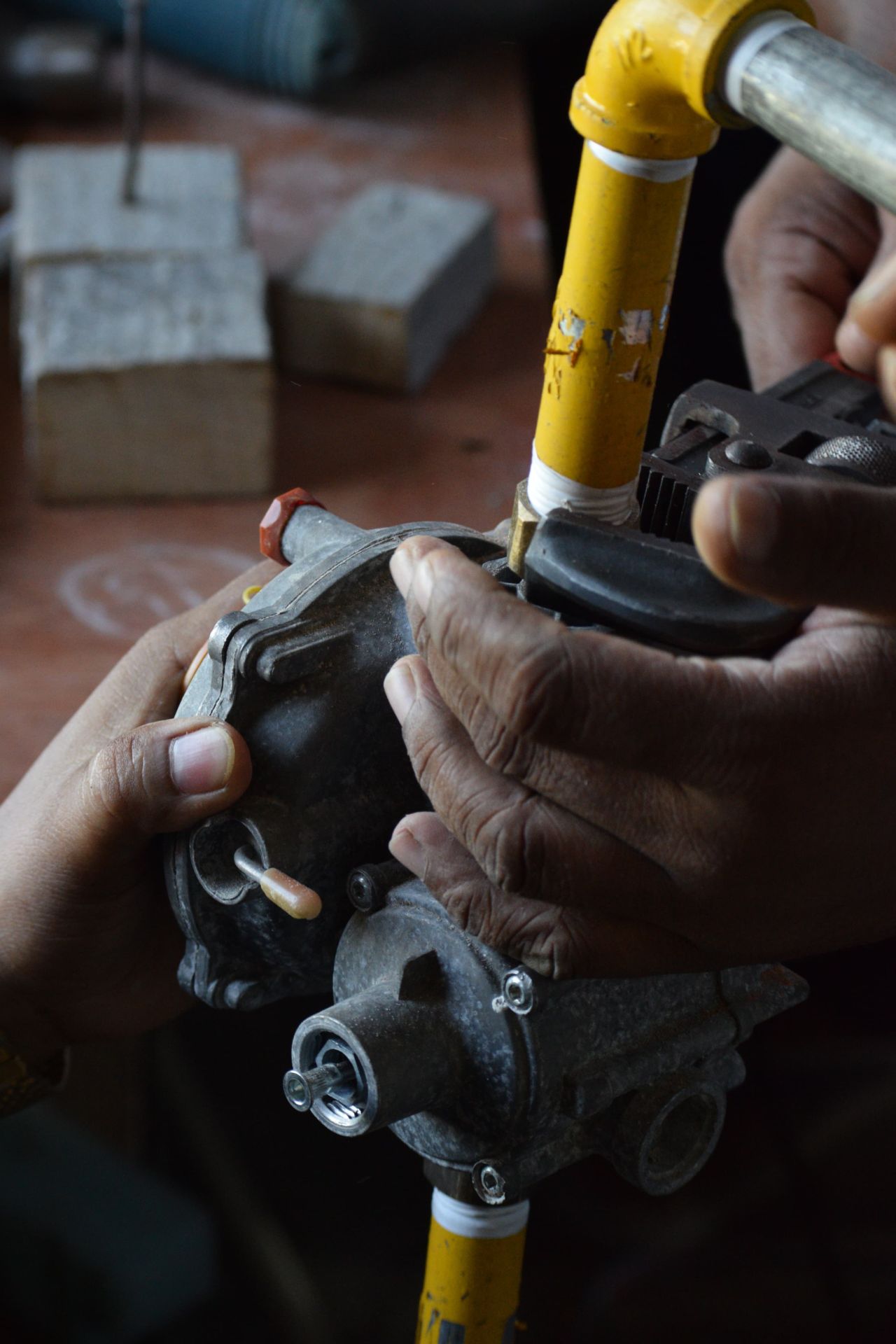
Through a mix of classroom teaching and hands-on practice, trainees learn the essentials of City Gas Plumbing - from safety protocols and system design to real-world applications. The initiative emphasizes sustainable livelihoods, ensuring that each participant graduates not only with technical knowledge but also with the confidence to turn skills into careers.
To see more stories, updates, and behind-the-scenes moments from our training program, follow us on YouTube, Instagram, and LinkedIn.
<This initiative is made possible by:
Funding Partner
Logistics Partner
Training Partner
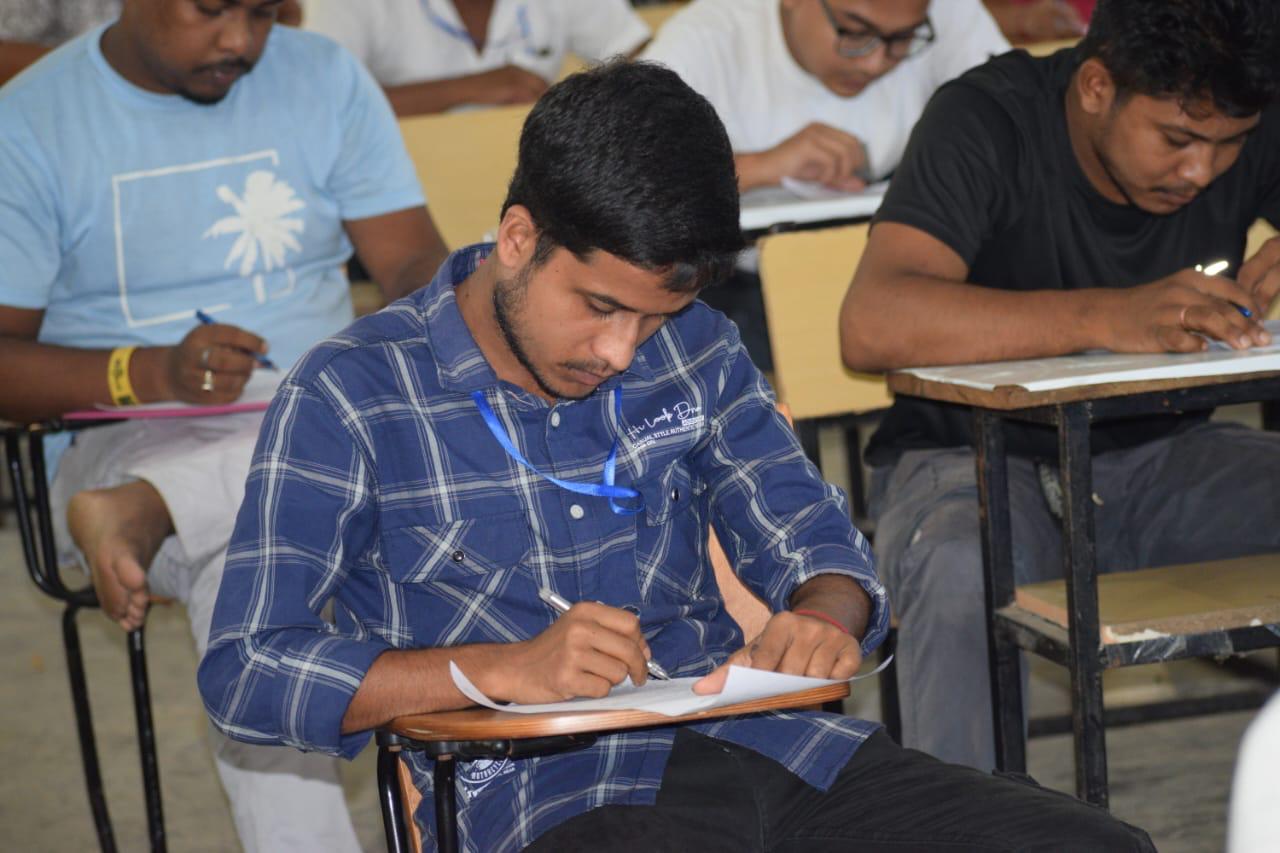
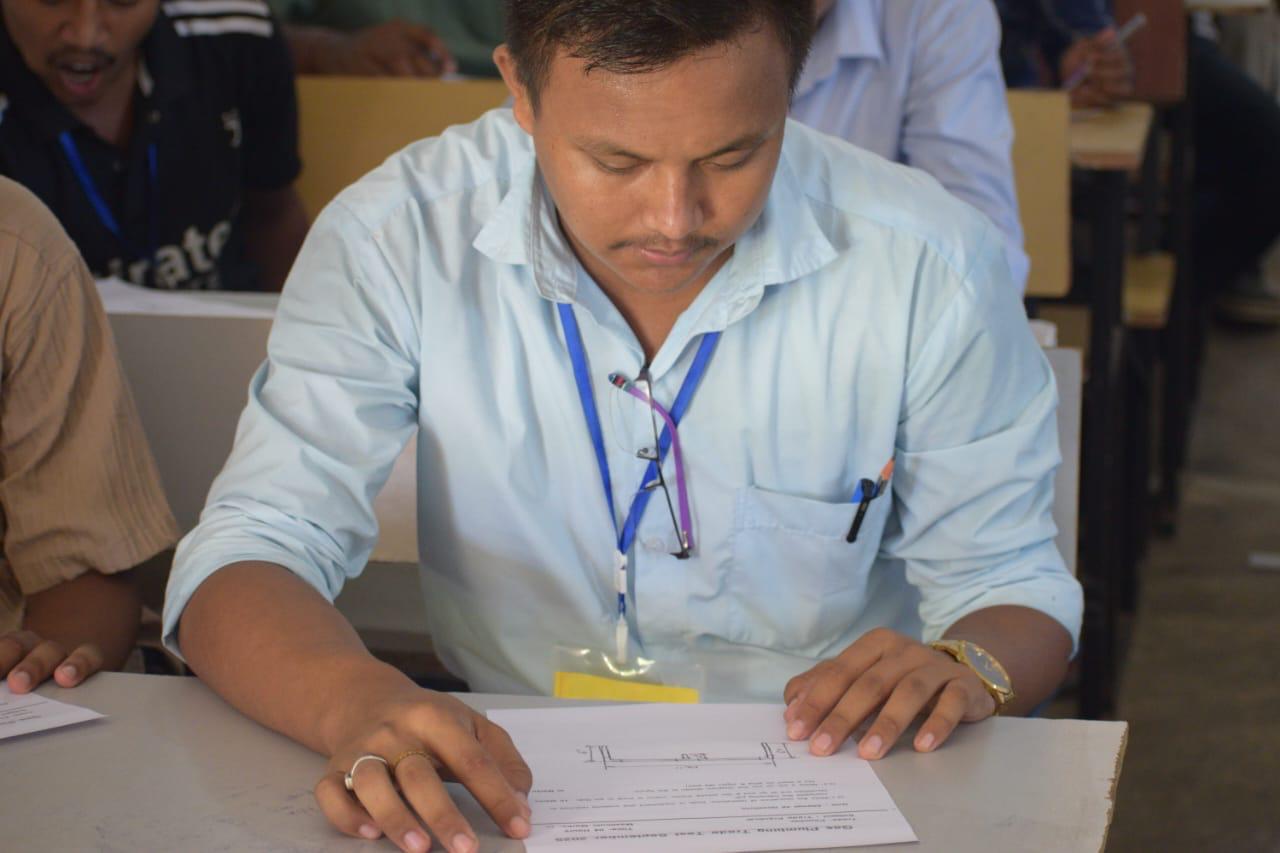
The trainees have now completed their theory and practical exams. This marks the end of the first phase of training.
The trainees have completed their theory and practical exams, concluding the second phase and the classroom component of the course. They will now be grouped into teams and begin their on-the-job training across different cities in Assam, applying their skills in real-world settings.
The first phase of training ended on a high note - every single trainee passed their exams and assessments, with 60% achieving scores above 80%. A proud moment for the entire batch and a glimpse of the possibilities ahead.
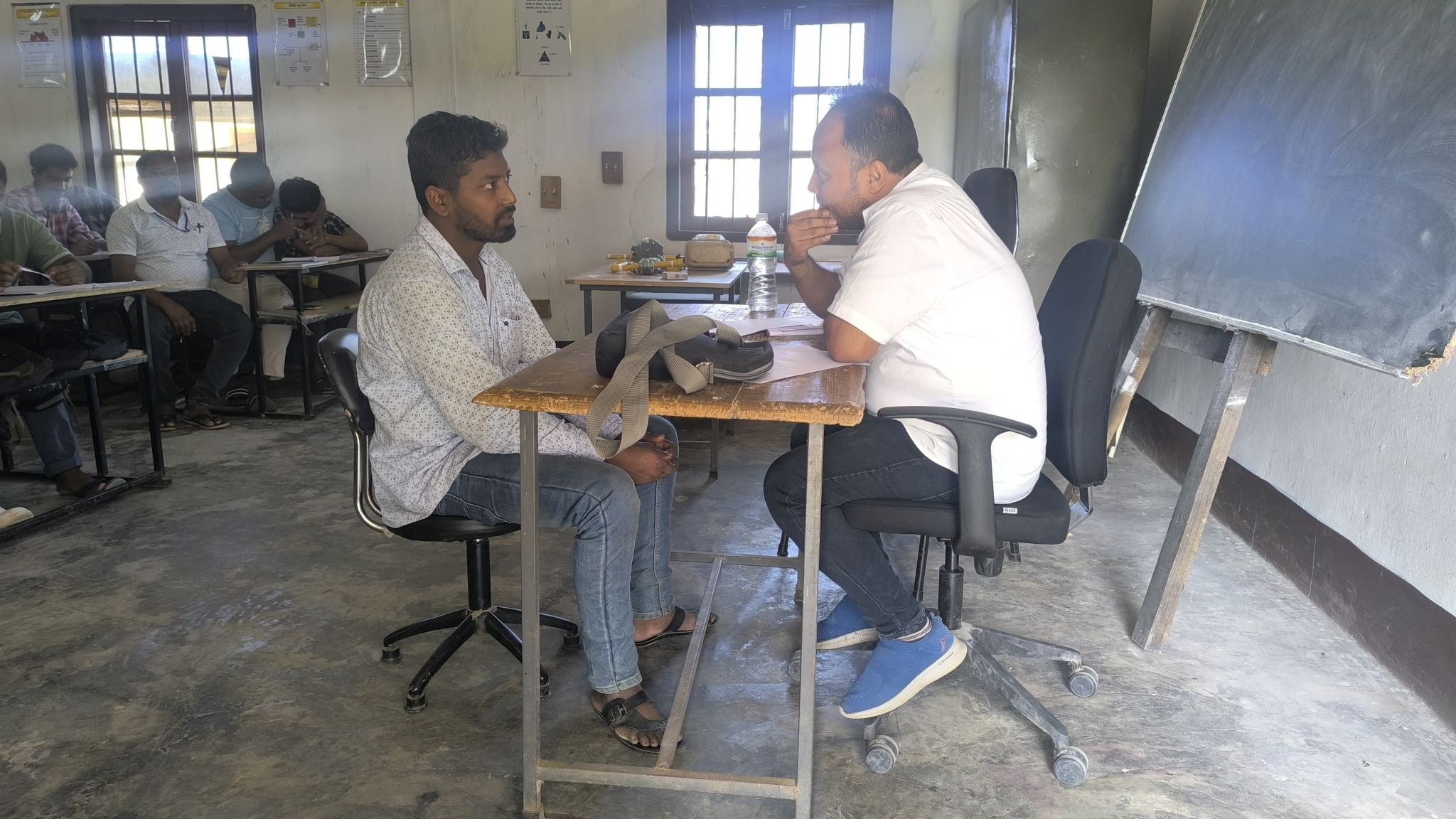
The second phase of training concluded with outstanding results. 90% of trainees achieved a cumulative score of 90% or above. The assessment comprised four components: Session Assessment (20 marks), Viva (10 marks), Practical (30 marks), and Theory (40 marks). Remarkably, no student scored below 85 marks overall, a testament to their dedication and the effectiveness of the training program.
The second phase of the Pipeline to Possibilities training concluded with heartfelt moments as the third phase- On-the-Job Training (OJT)-began. As our trainees prepare to begin their OJT across different 6 different locations in Assam (Digboi, Jorhat, Golaghat, Sivasagar, Dibrugarh, Duliajan), the day’s laughter, camaraderie, and shared optimism served as a reminder of why this journey matters.
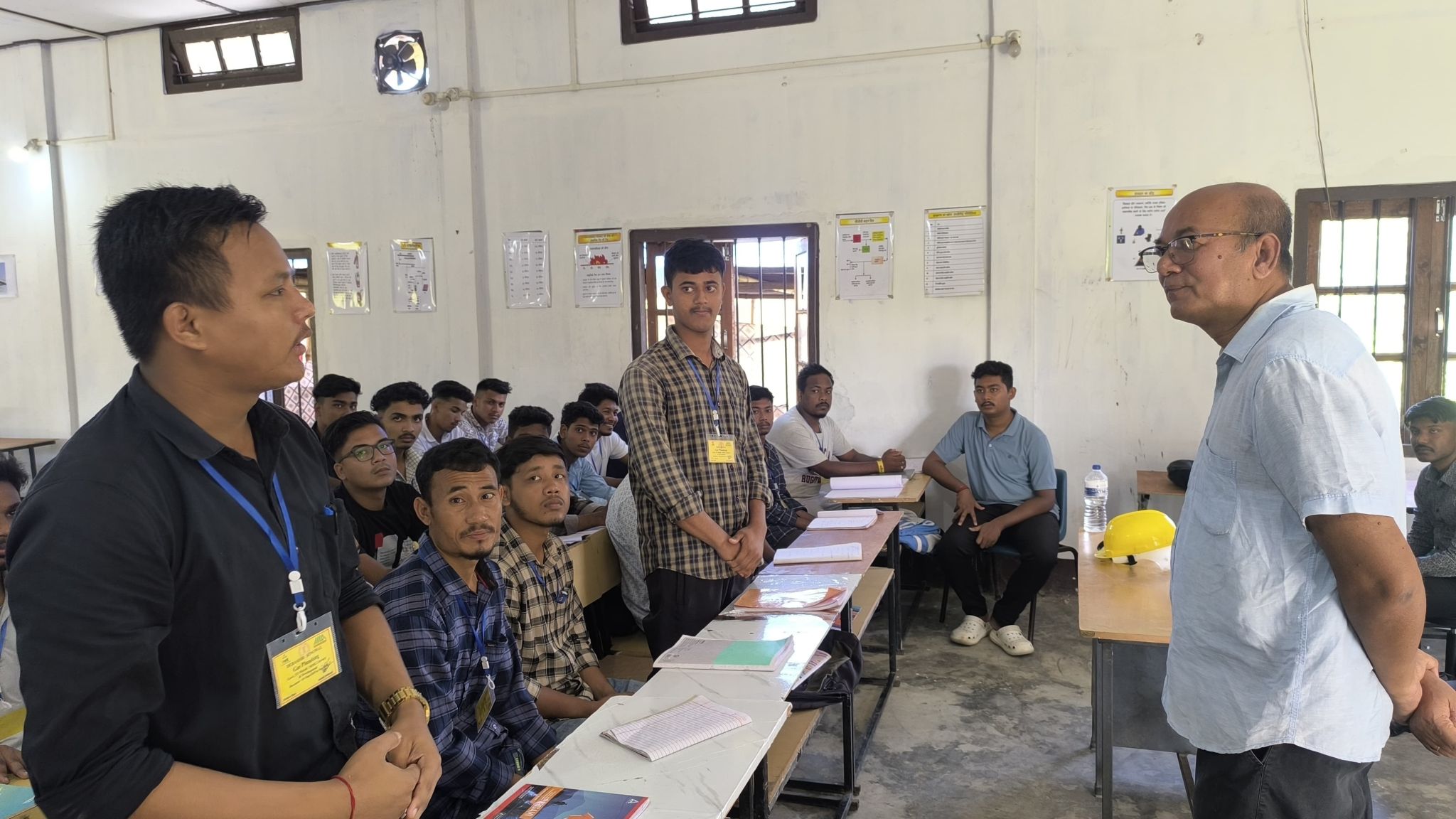
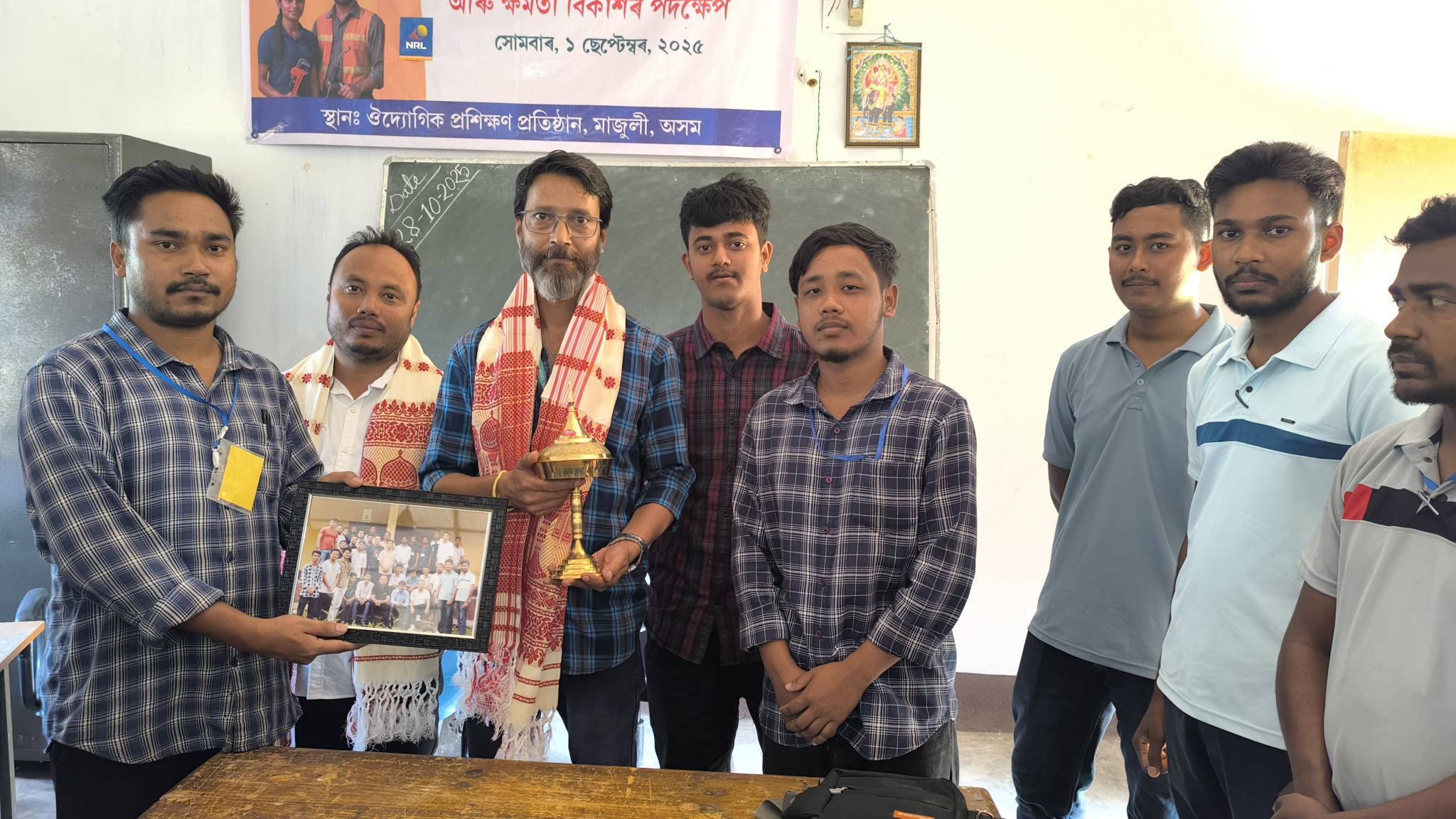
We were honoured to host Dr. D. K. Ojha, Deputy Director General, Ministry of Petroleum and Natural Gas, Government of India, along with his family, and senior officials from Numaligarh Refinery Limited. Dr. Ojha interacted with our trainees, visited classrooms, and shared encouraging insights. He emphasised that the city gas sector offers immense opportunity, and that initiative and skill are key to building strong careers.
A brief but inspiring visit that left the trainees motivated and confident as they move forward in their journey.
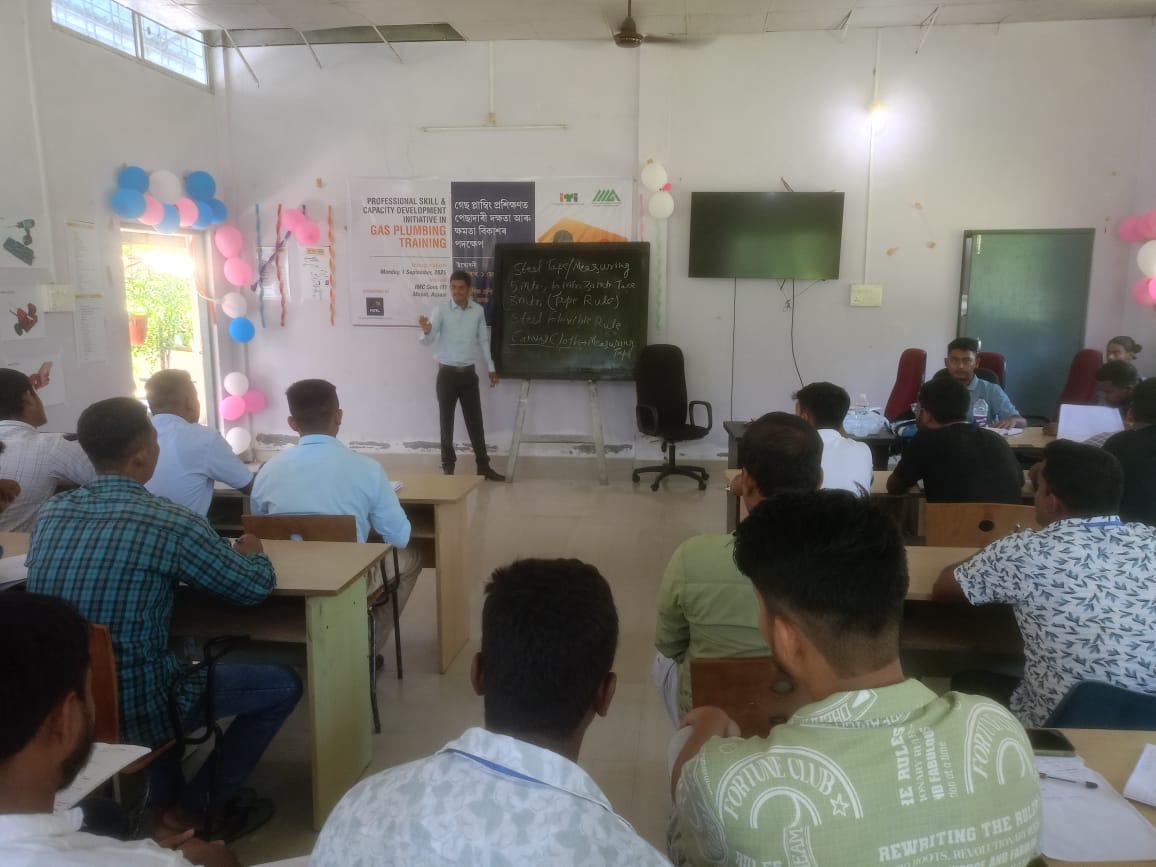
The training opened with expectation setting and an introduction to the City Gas Distribution industry. Students learned not only what the program would cover, but also how this trade connects to real-world opportunities. From there, the week moved into the basics of plumbing: identifying tools, understanding their functions, and practicing simple operations like filing and sawing. Safety was emphasized as the foundation. What started as unfamiliar territory quickly became an exciting first step into a new world of skills.
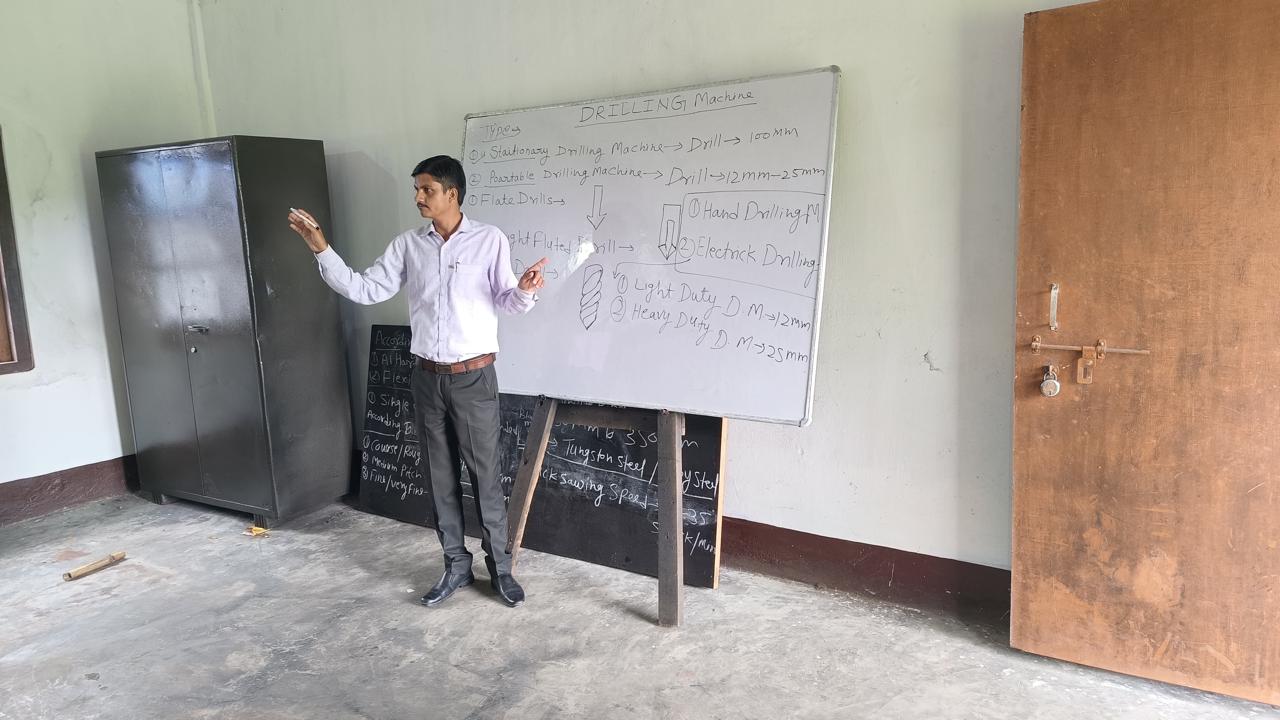
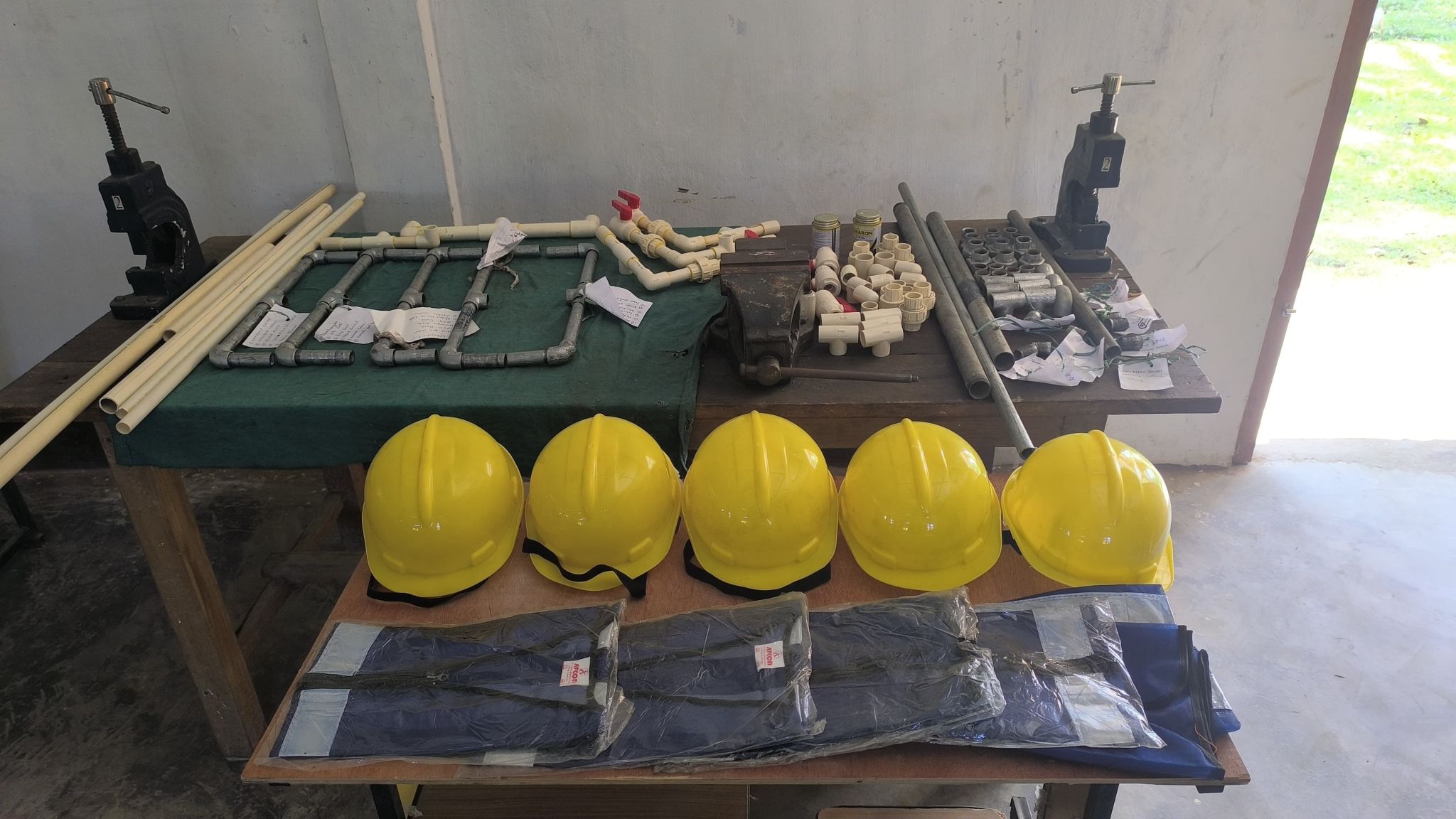
The second week built on that foundation with more complex tools and machines. Students got hands-on with drilling machines, chisels, fastening devices, and specialized plumber's equipment like ratchet braces and pipe wrenches. They also practiced how to use taps and tap wrenches. This was the week when tools stopped feeling like objects in a toolbox and began to feel like extensions of their own hands, a clear shift from learning about plumbing to actually becoming plumbers-in-training.
Week three was all about pipes and fittings, the heart of plumbing. From GI and PVC to HDPE and PPR, students explored different materials, their properties, and how they are joined. They learned about elbows, tees, bends, and sockets, as well as thread cutting and bending methods, even experimenting with hot gas welding for plastic pipes. The class moved from flat drawings to the curved, angled, and connected realities of real plumbing systems. It was a week of discovery, where theory took tangible shape in every joint and bend.
The final week of September pushed the trainees to think and work like professionals. They practiced pipe layout from drawings, learned how to dismantle and renew valves, dealt with leaks and noises in pipelines, and tested full assemblies. Alongside these practicals, revision and assessments prepared them for their first formal evaluations. By the end of the week, students were no longer just experimenting. They were demonstrating that they could design, troubleshoot, and solve problems. The confidence in their work spoke louder than words.
Week 5 marked a key shift as trainees deepened their understanding of natural gas systems and the centrality of safety in the industry. They explored the origin, properties, and hazards of natural gas; learned about safety management systems, work permits, PPEs, and ERDMP protocols; and gained clarity on the full gas distribution chain from city gas stations to customer connections. The week concluded with résumé-building and interview preparation, linking technical learning to livelihoods.
Week 6 deepened both classroom and field learning as trainees explored domestic PNG connections, gaining clarity on PRVs, gas meters, taps, and how these components create safe household systems. Trainees moved from diagrams to hands-on practice with pipelines, fittings, and connections. Alongside this, they continued to be mentored on soft skills, helping refine résumés, prepare for interviews, and build digital profiles.
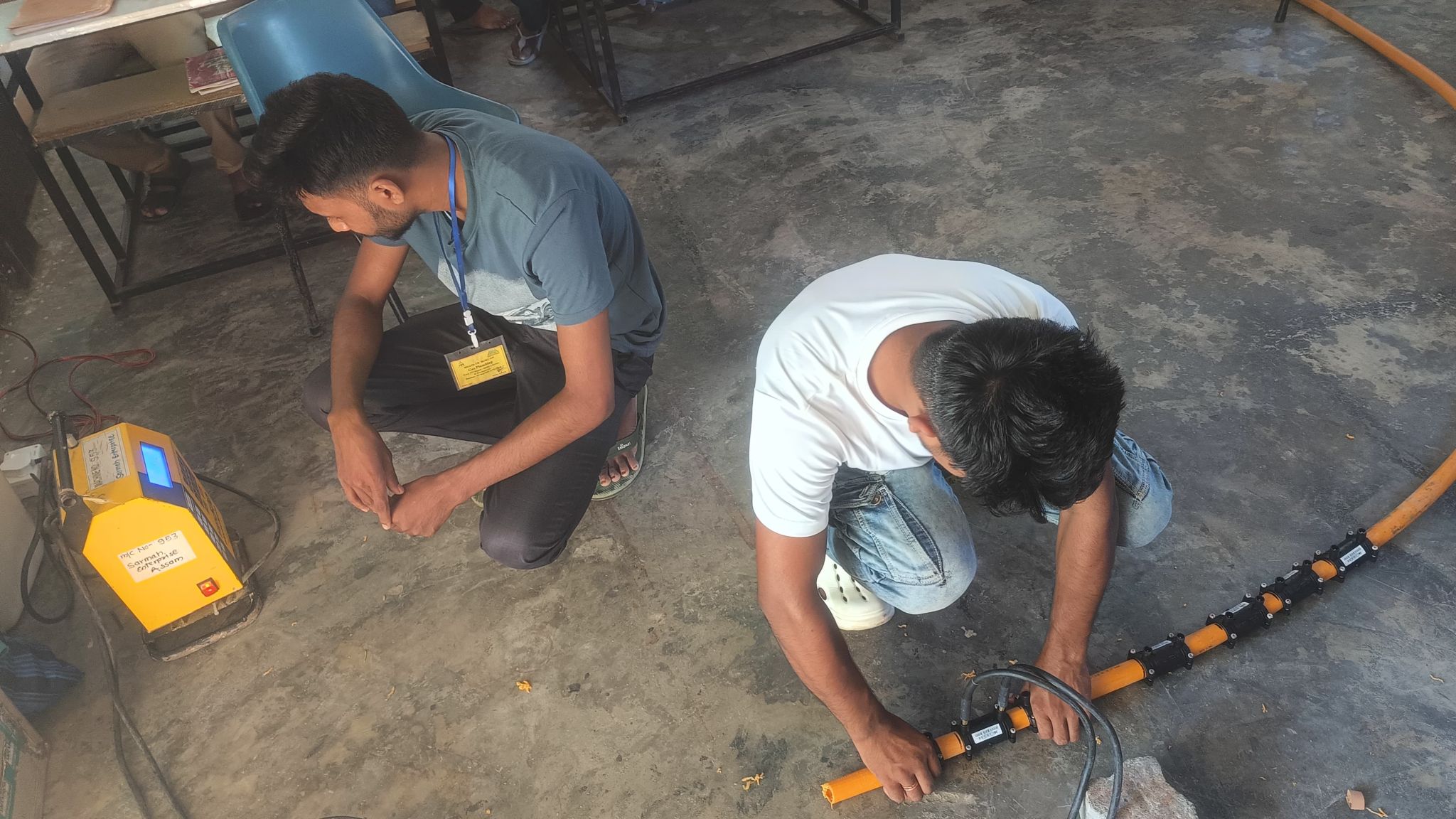
Week 7 marked a decisive shift to field-based learning as trainees worked hands-on with MDPE pipelines—preparing, scraping, aligning, and joining them using electrofusion techniques, while also learning safe and accurate methods for underground pipeline laying. They tackled real-world challenges such as excavation, depth management, and fitting alignment, strengthening both precision and problem-solving. Their ongoing soft-skills sessions complemented the technical work, ensuring trainees advance with both competence and confidence.
This week marked the completion of the classroom phase and the transition to On-the-Job Training (OJT). After two months of intensive learning, from natural gas fundamentals to hands-on MDPE and GI construction techniques, trainees completed their theory, viva, and practical exams, all with strong results. The week opened with a quiet prayer for confidence before exams and closed with an emotional farewell thrown by the students for our faculty, reflecting the deep bonds built during training. With their assessments complete and skills strengthened, trainees now head to different locations across Assam to begin real-world OJT, carrying both technical competence and a strong sense of community.
Support initiatives like Pipeline to Possibilities and help scale skill development for sustainable livelihoods in the energy sector.
Reach out to us at contact@mmgld.in
Interested in applying for Batch 2 to be held in Majuli, Assam?
Reach out to us at skillmmgld@gmail.com